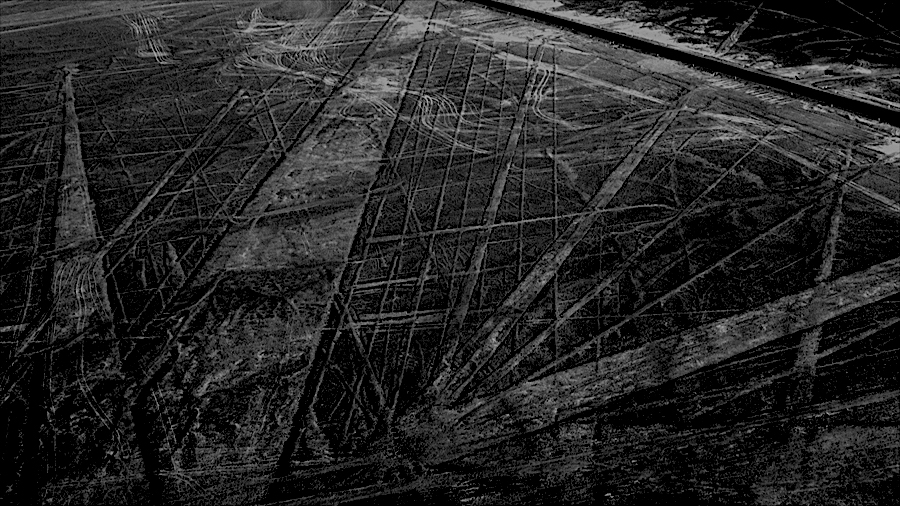
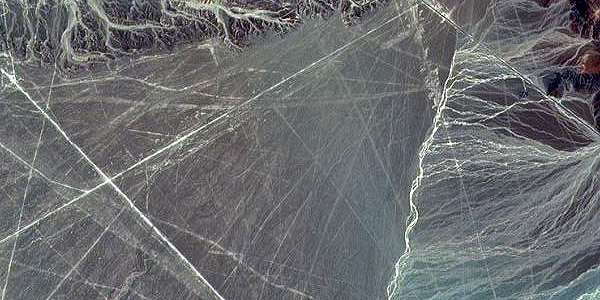
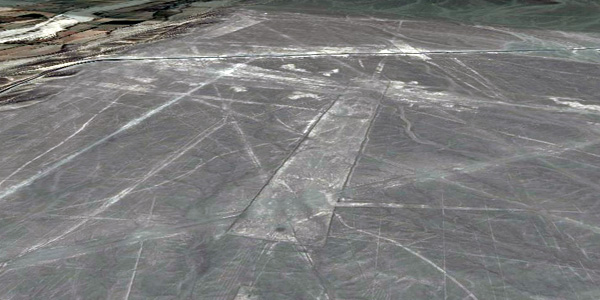
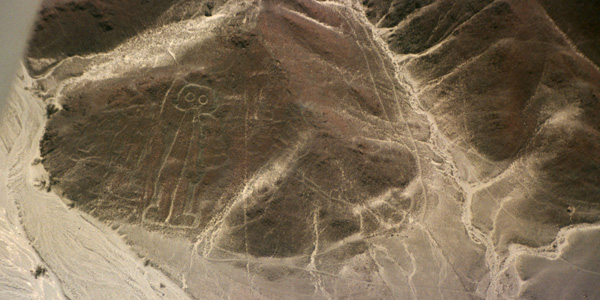
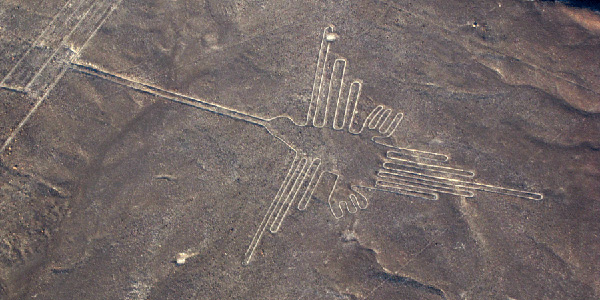
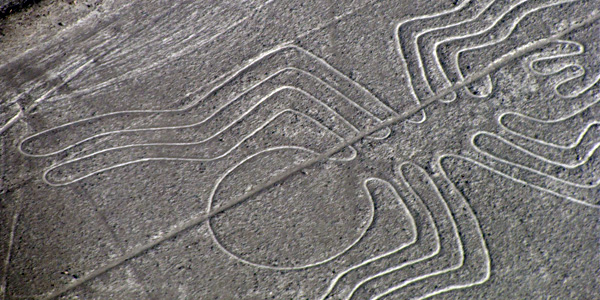
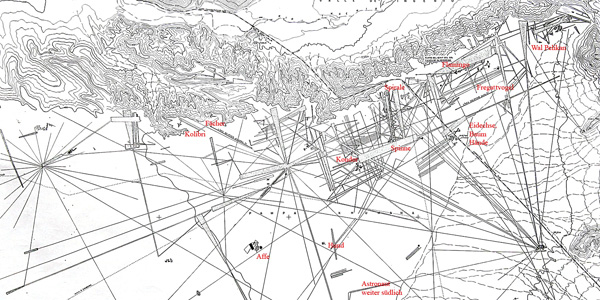
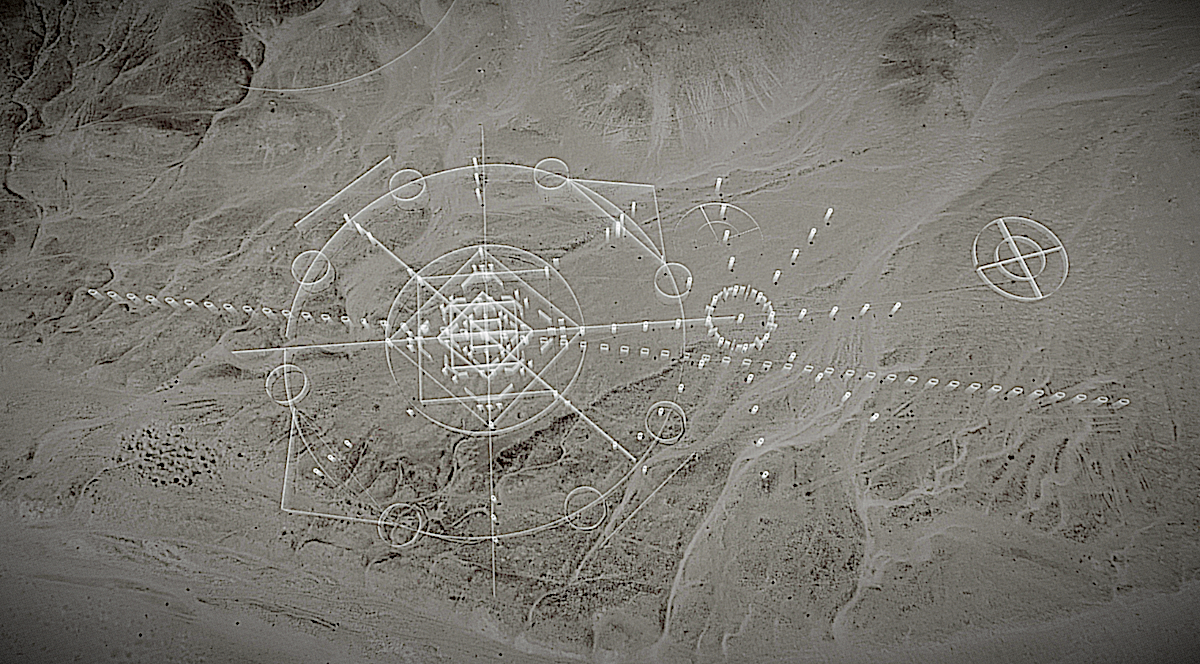
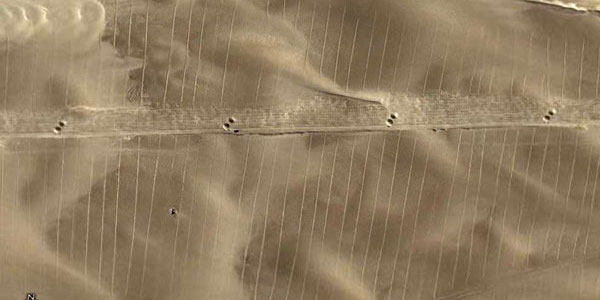
When flying over Nazca, it is enough to observe the immensity of this desert to where these lines are observable to realize that their whole is chaotic; Some end up abruptly, others intersect in any direction, some are lost in front of the coast towards the Pacific Ocean, there are others that are directed towards the Andean mountain range, being impossible to determine that its design and utility are only astronomical. All of this without forgetting that many of the lines appear on other older, barely visible, that point to different directions.
We have done many reconnaissance flights in an area from Paracas to beyond Nazca and we have observed many lines that still today have not been discovered or analyzed by official science. The scarce rains of this area, one of the driest on the planet, and the lack of obstacles to the wind, which releases its sand about a hundred kilometers to the north, make the drawings are maintained almost indefinitely.
Observing this true chaos one realizes that the different interpretations that have been made on Nazca are far from the reality of what they are and for which they were constructed. We are convinced and this is where our work points out that it is necessary and essential to combine many more research disciplines such as studies of history, ancient symbology, geological studies, archaeastronomic and the latest advances in underground remote sensing systems among others.
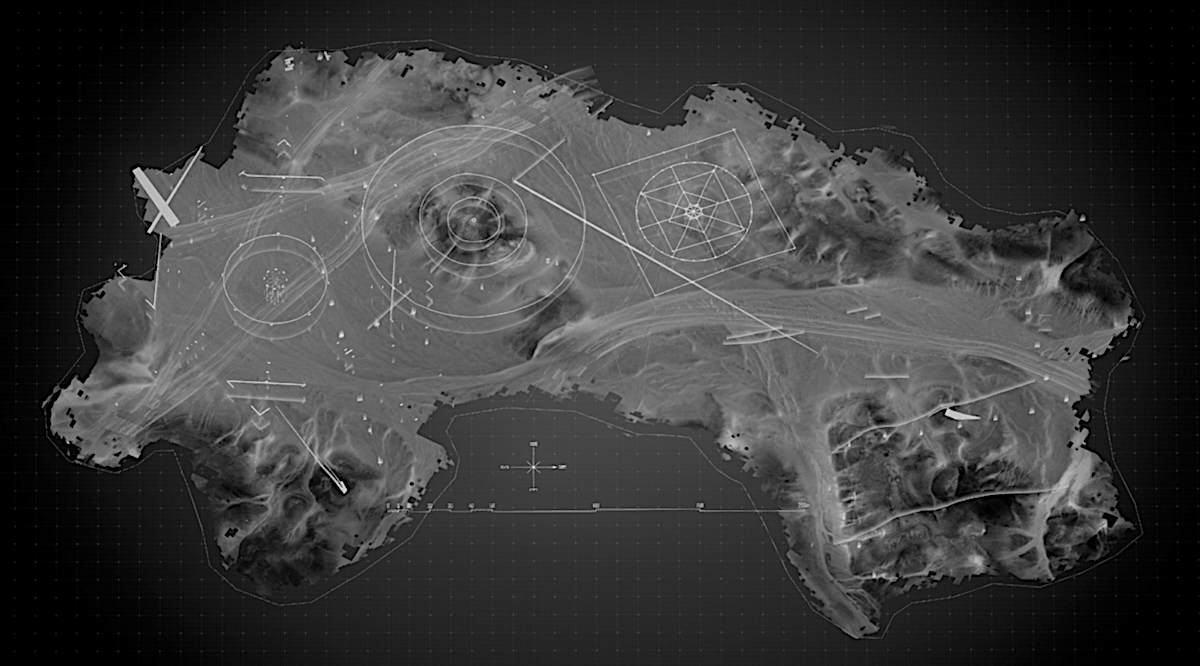
Unknown Estrellas of Nasca
Newly discovered geoglyphs, unlike the famous Nazca Lines, feature complex geometric patterns. Aerial footage reveals intricate designs, some only visible from above. Researchers explore these "Estrellas," investigating their possible connections and ancient origins.
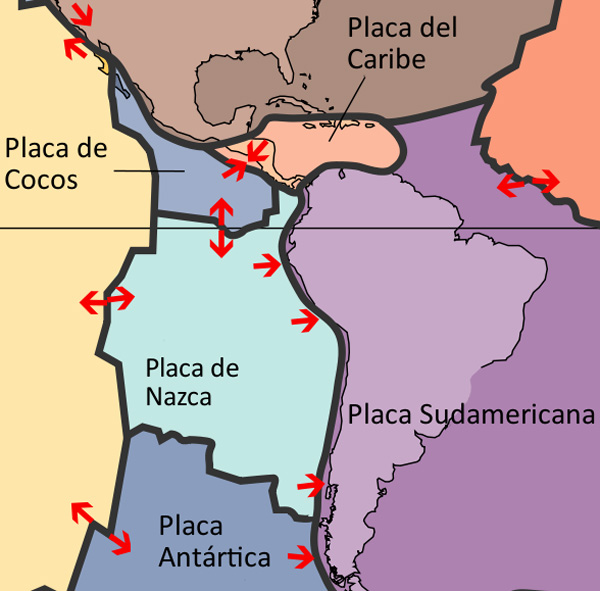
Nazca Plate - Atacama Trench Archaeological remains
One of the investigations that we think is most important to
consider is why the Nazca Lines are located opposite the critical point of suction in the Atacama
Trench due to the push of the Nazca Plate in the Pacific against the South American Plate causing
the Andes to rise increasingly.
When the earth
The sonar recordings made in this area indicated very strange configurations in the ocean floor, which was apparently a muddy surface. The photographs taken at a depth of 2000 meters showed what looked like huge pillars and walls, some covered with calligraphic signs.
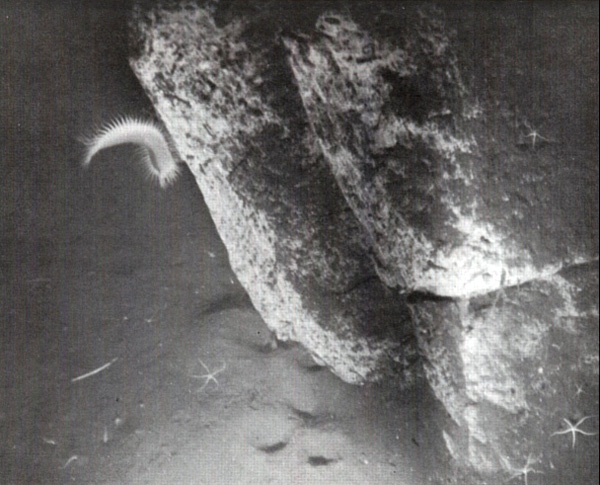
When they tried to take other photographs they noticed that although the position of the special chamber was modified by the submarine currents, other plates of rocks with artificial forms were obtained that lay on the sides, and some of them in piles, as if they had rolled one on top other. This happened at a time when many archaeological remains sank to a depth of more than 1500 meters at the bottom of the sea.
Although this incident shows one of the deepest depths of the ocean in which ruins have been found, it is probable that future underwater explorations, carried out at the same or similar depths, will provide definite evidence, in the relatively near future, of the existence of civilizations Whose remains lie now at the depth of the world
Can the Nazca Lines be related to these underwater remains?